
Artemis II Successfully Launches and Takes Astronauts Back Around the Moon After More Than 50 Years
2 April 2026
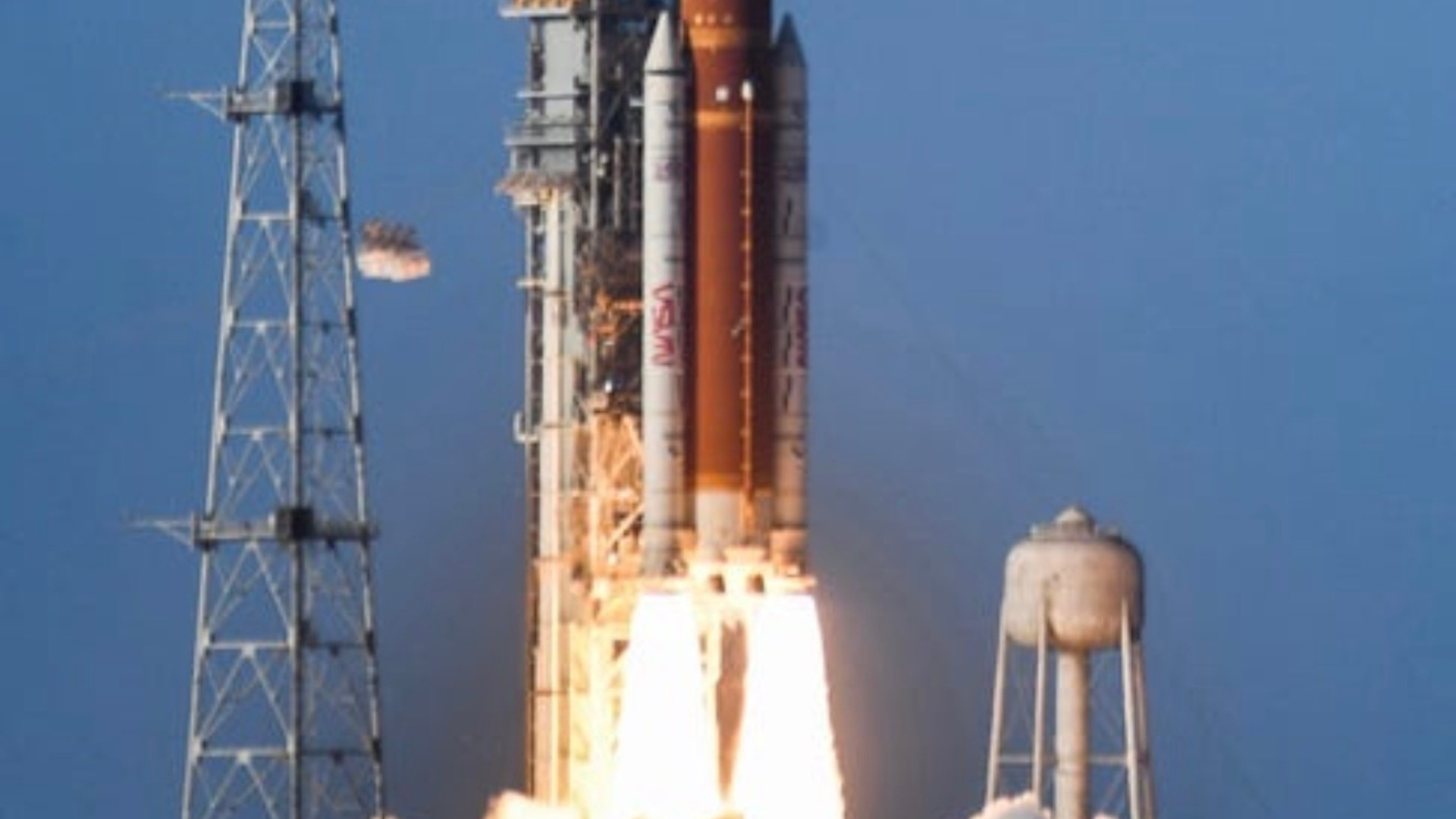
Artemis II, scheduled for launch after more than 50 years, marks the return of astronauts to lunar orbit. Learn about the mission timeline, the crew, and how this milestone is molding the future of space exploration.
On April 1, 2026, at 7:24 PM (Brasília time), Florida’s skies lit up as Artemis II launched. The Orion capsule took off from Kennedy Space Center, starting the first crewed mission to the Moon in over fifty years.
This mission is historic. For the first time since the Apollo era, people left Earth’s orbit and traveled into deep space, crossing a boundary last reached in 1972.
Who are the astronauts on this mission?
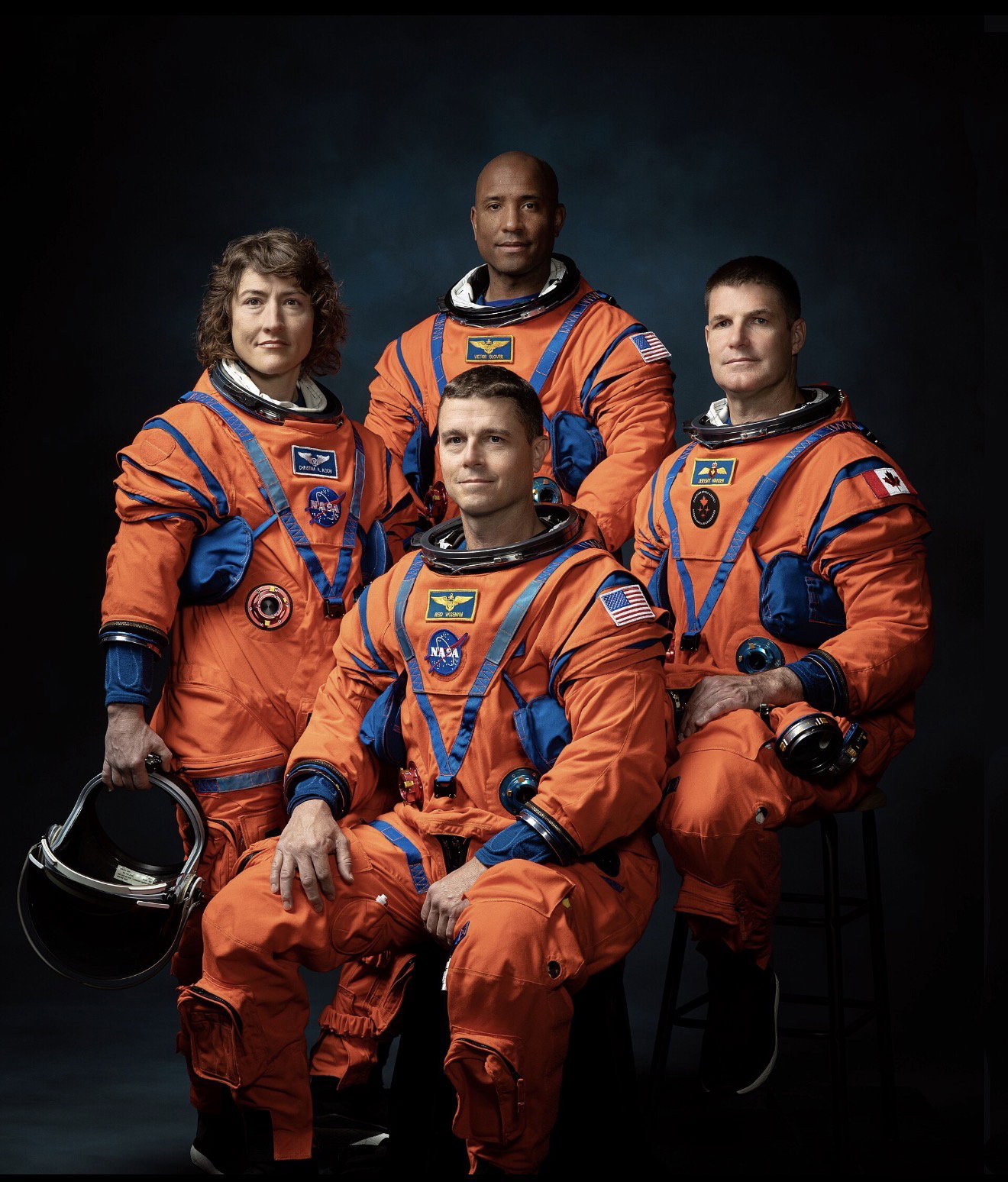
Artemis II brings together four astronauts with remarkable careers and profiles that reflect the mission's historic scale. Commanding the mission is Reid Wiseman, a former U.S. Navy test pilot and former Chief of the NASA Astronaut Office, with more than 160 days spent aboard the ISS (International Space Station).
Alongside him is Victor Glover, also a veteran of space missions. After an extended stay on the ISS, he now joins his first lunar mission and breaks new ground as the first Black astronaut to take part in a mission of this kind.
The crew also includes Christina Koch, one of NASA’s most experienced astronauts. Holder of the record for the longest single spaceflight by a woman and a participant in the first all-female spacewalks, she now becomes the woman who has traveled farthest from Earth on a mission toward the Moon.
Jeremy Hansen completes the team. A colonel in the Royal Canadian Air Force, he makes his spaceflight debut in a historic context: he will be the first non-American astronaut to participate in a crewed mission around the Moon, reinforcing the international nature of the Artemis program.
Together, the four astronauts represent a new phase in space exploration, defined by experience, diversity, and international cooperation.
A journey that went beyond expectations
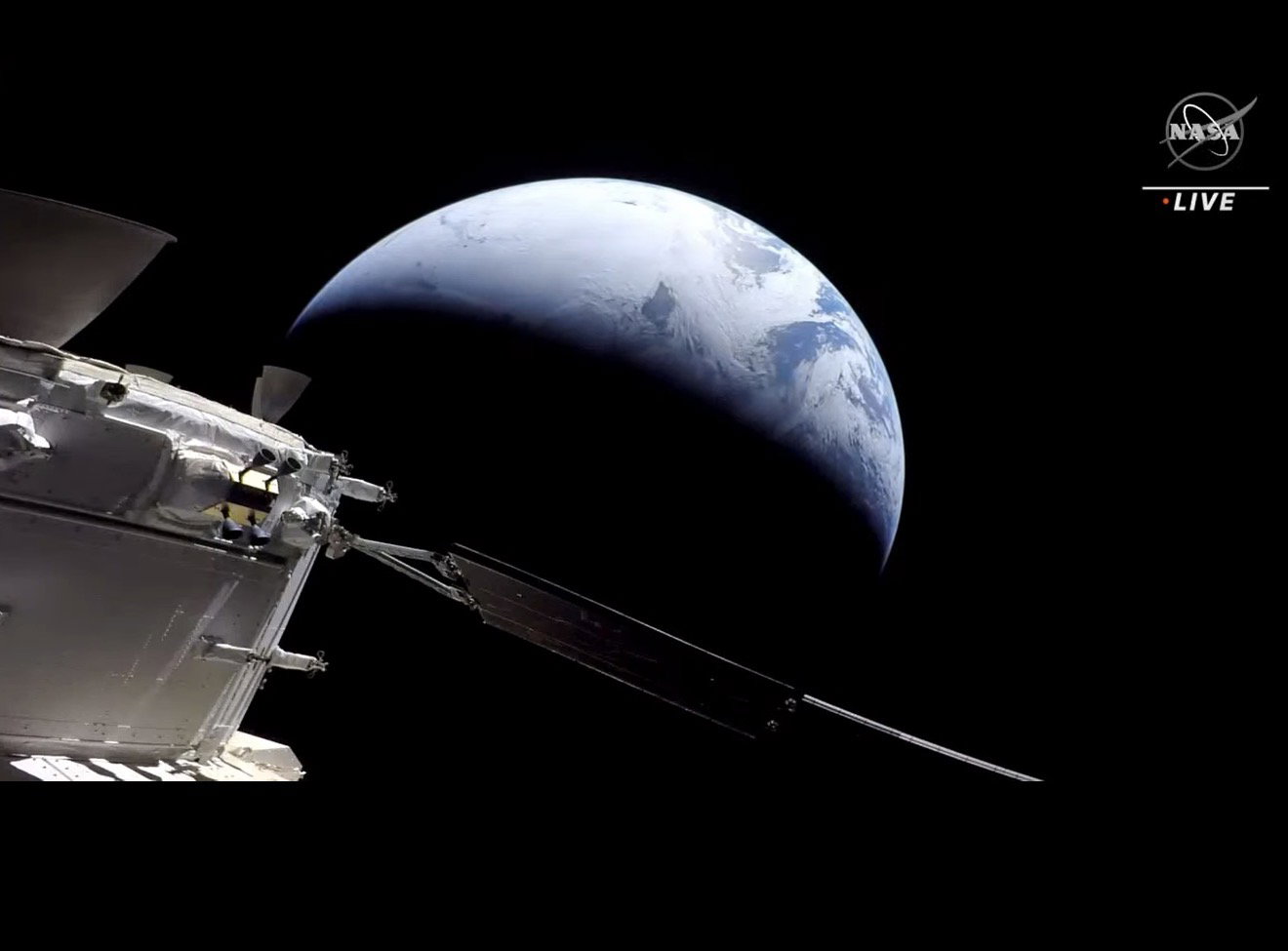
Contrary to what many might think, the journey to the Moon does not happen immediately. After launch, Orion remained in Earth orbit for about twenty-four hours while tests were conducted before continuing its trajectory.
The journey to the Moon took about four days, and along the way, the mission achieved a new milestone: the astronauts became the farthest humans from Earth in history, reaching a distance of about 405,000 kilometers (over 252,000 miles) and surpassing the record set by Apollo 13 in 1970.
The most critical moment: the Moon’s far side
Upon reaching the Moon, Orion performed a historic flyby over the Moon’s far side, a region not visible from Earth. During this passage, the crew experienced about forty minutes of complete communication blackout with the planet. This was expected, but still a delicate moment, as it represented one of the most sensitive phases of the entire mission.
It was also during this segment that the astronauts observed rare phenomena, such as Earthrise and Earthset over the lunar horizon, and captured new images of the Moon with Earth in the background. The experience, described as unique, highlights how deep space remains an extreme and largely unknown environment.
A milestone in space exploration
After completing the lunar flyby, Artemis II began its return journey to Earth, expected to take about four days. In total, the mission is estimated to last around ten days. Even without landing, it fulfills essential objectives:
-
Validating life-support systems in deep space;
-
Testing navigation and long-distance communication;
-
Preparing future crewed missions to the lunar surface.
In practice, Artemis II serves as a major rehearsal for the next phase of the program: returning humans to the Moon’s surface later this decade.
Far beyond the Moon
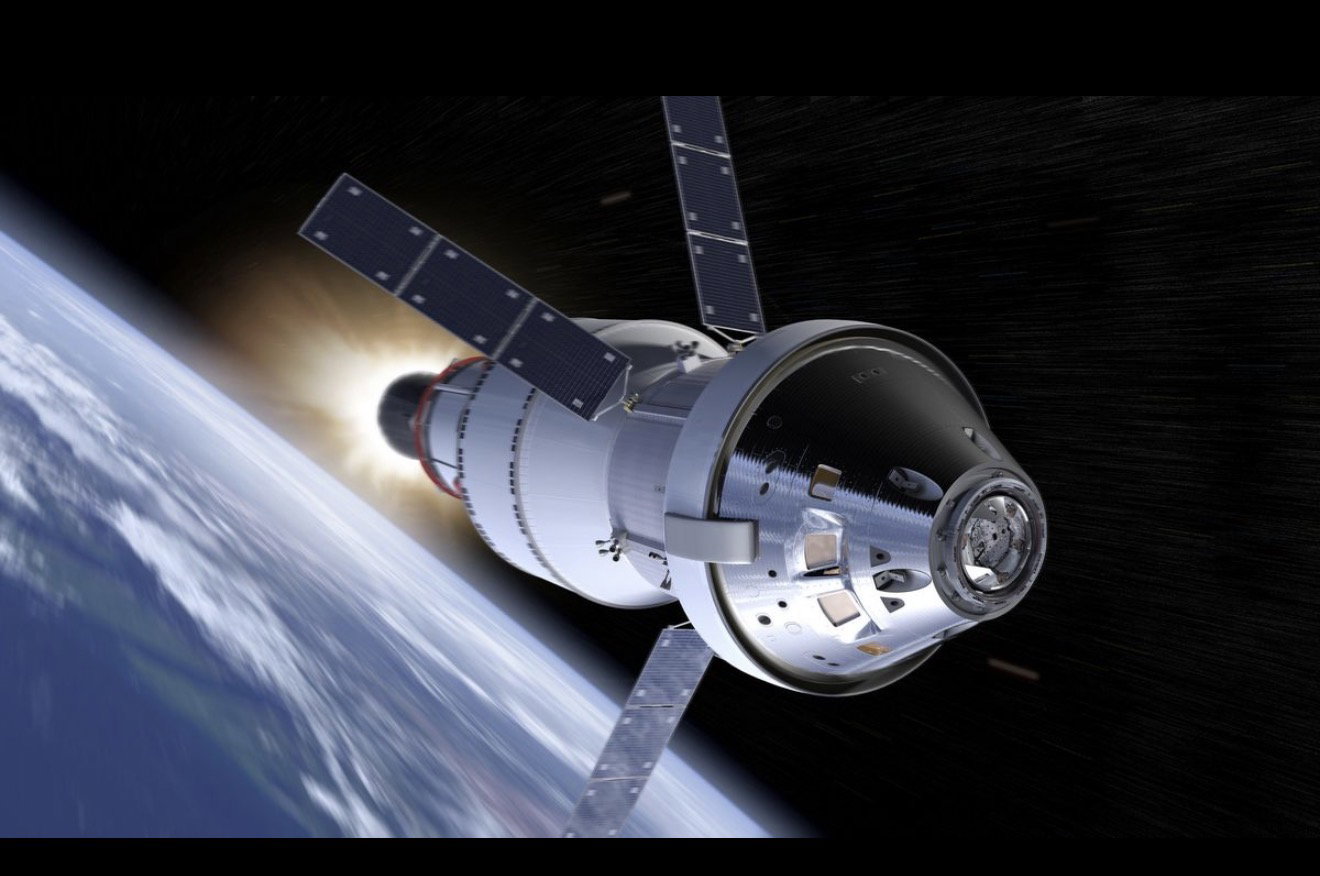
Artemis II is part of a broader initiative. Its goal goes beyond returning to the Moon: it aims to establish a sustainable human presence on the lunar surface and use that experience as a foundation for future missions, including those to Mars. Each phase of this journey drives technologies, expands scientific knowledge, and redefines humanity’s place beyond Earth.
Space as a classroom
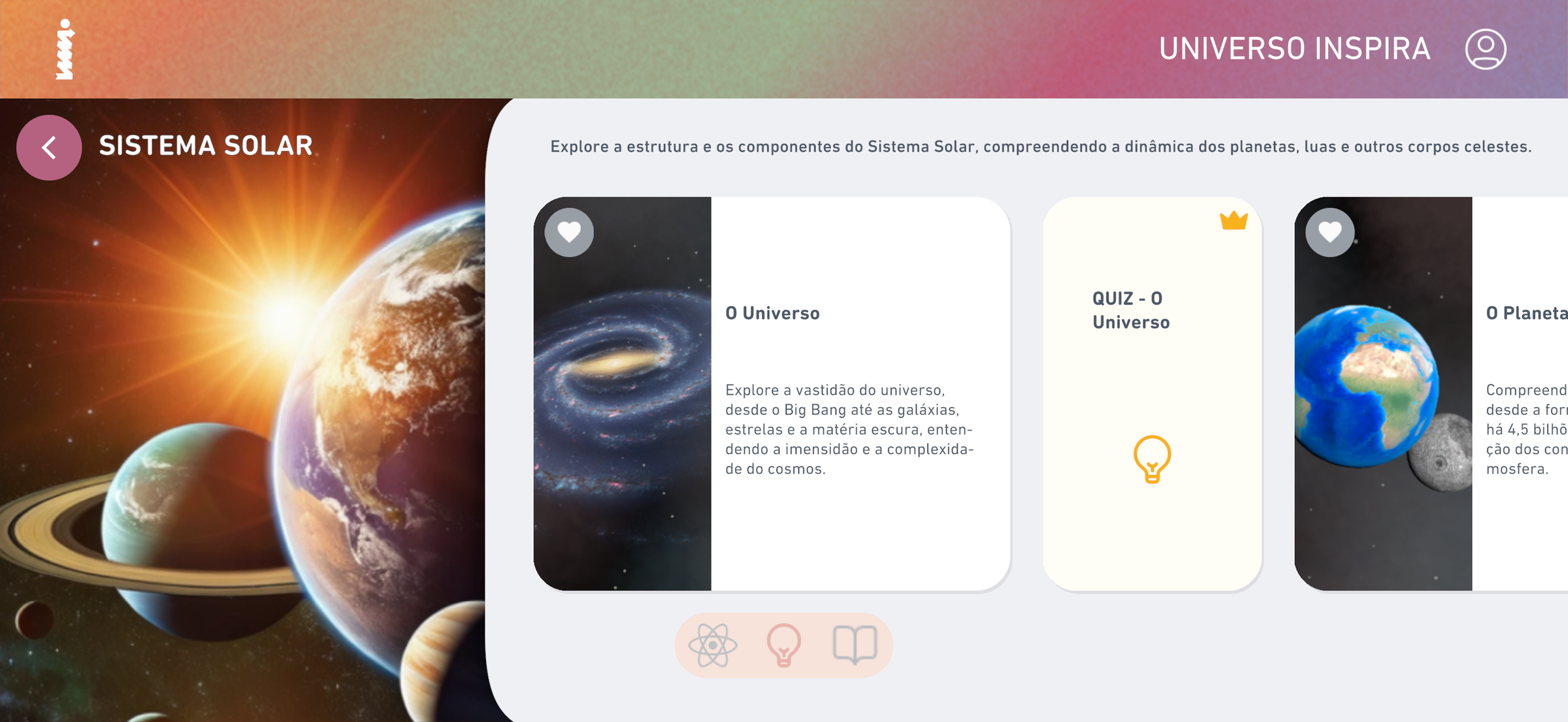
When a student learns about orbit, gravity, or the Solar System, they move beyond theory and begin to understand a real mission happening right now. At Universo Inspira, this kind of connection is what transforms content into experience.
The beginning of a new chapter
More than half a century later, Artemis II brings back into the present a frontier that once seemed confined to the past. By taking four astronauts more than 406,000 kilometers (over 252,000 miles) from Earth, the mission places deep space back at the center of human ambition and reaffirms the Moon as a strategic step toward even more ambitious journeys.
The flyby of the Moon’s far side, the period without communication with Earth, and the direct observation of regions never before seen by humans demonstrate that, even after decades of progress, there is still much to discover beyond Earth’s orbit.
Explore space interactively with Inspire Universe and bring this experience into your classroom!
—
Cover image: The Orion capsule lifts off toward the Moon in another milestone of space exploration. Source: NASA / Artemis II Mission
References
HELMORE, Edward; YANG, Maya. Artemis II swings back around after completing record-setting moon flyby. The Guardian, Apr. 6, 2026. Available here. Accessed: Apr. 7, 2026.
OLIVEIRA, Alex. Artemis II astronauts travel further from Earth than any humans in history, breaking Apollo 13 record set over 50 years ago. New York Post, Apr. 6, 2026. Available here. Accessed: Apr. 7, 2026.
REUTERS. Artemis II crew includes first woman, Black astronaut and Canadian ever flown to moon. Apr. 2, 2026. Available here. Accessed: Apr. 7, 2026.
YERUSHALMY, Jonathan; AGENCIES. Blackouts, broken records and a message from the past: five key moments from Artemis II’s lunar flyby. The Guardian, Apr. 7, 2026. Available here. Accessed: Apr. 7, 2026.
Updated on April 7, 2026.
See also

Copyright © 2025 | Universo Inspira