
Molecule Developed in Brazil Sparks Hope for Spinal Cord Regeneration
3 March 2026
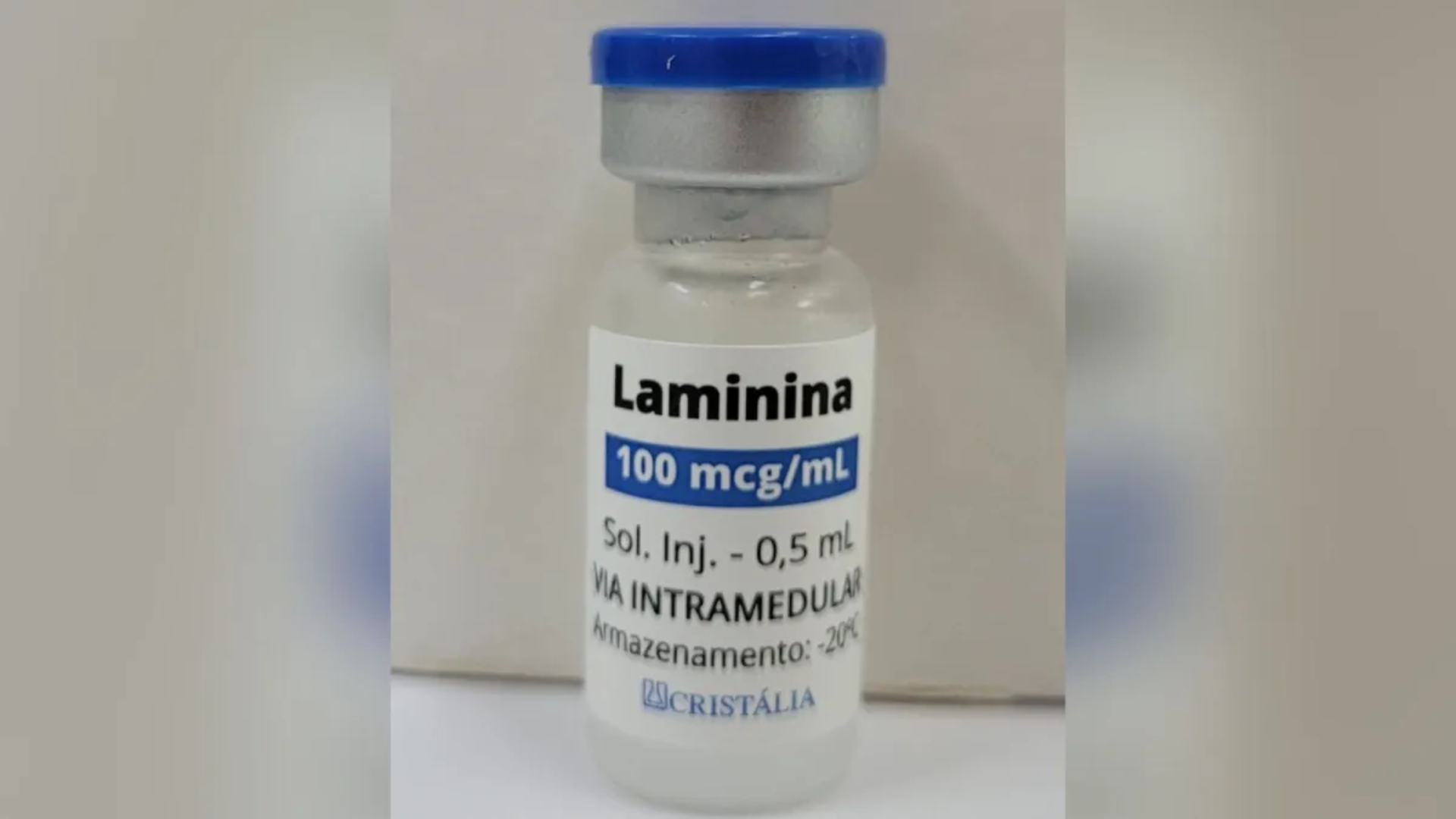
Credit: Cristália Laboratory
Polylaminin, developed in Brazil by UFRJ, shows promise for spinal cord regeneration in animal studies. However, experts warn that its safety and effectiveness in humans have yet to be proven.
An experimental molecule developed by researchers at the Federal University of Rio de Janeiro (UFRJ) has drawn attention from the scientific community for its potential to stimulate the regeneration of nerve connections after spinal cord injuries. Named polylaminin, the substance is being investigated as a possible therapeutic strategy to aid in restoring movement in cases of paralysis.
Derived from laminin, a protein naturally found in the body, polylaminin is produced in the laboratory in a way that preserves a stable three-dimensional structure. This structure serves as a 'biological scaffold,' supporting neuron growth and promoting healing in damaged areas of the spinal cord.
Promising results in animals
In preclinical studies conducted using animal models, such as rats and paraplegic dogs, the substance showed signs of motor improvement. The experiments suggest that polylaminin may stimulate axon growth, promote the reconnection of damaged nerve fibers, and help reduce inflammatory processes in the affected area.
These findings have raised expectations that, in the future, the technology developed in the country could contribute to the recovery of motor functions impaired by spinal cord trauma. However, researchers emphasize that results obtained in animals do not guarantee effectiveness in humans.
Early stage of human trials
Brazil’s National Health Surveillance Agency (Anvisa), the country’s regulatory authority, has authorized Phase 1 clinical trials to evaluate the safety of polylaminin in a small group of patients with acute complete spinal cord injury. This stage focuses primarily on identifying potential adverse effects and is not intended to demonstrate therapeutic efficacy.
So far, there is no conclusive evidence confirming the substance’s safety or effectiveness on a large scale. Further research phases will be required, involving a greater number of participants, control groups, and publication of results in peer-reviewed scientific journals.
Caution amid public attention
Although still in the experimental phase, polylaminin has begun circulating on social media as a possible “cure” for paralysis, prompting Brazilian medical societies and specialists to stress the importance of caution. Creating excessive expectations can lead to frustration and misinformation, particularly among patients and families seeking therapeutic alternatives.
Scientific progress is gradual and demands extensive testing and validation before any treatment can be widely used in clinical practice. Only after consistent proof of safety and effectiveness in robust studies will it be possible to seek definitive approval for therapeutic use.
—
Do you want to learn more about polylaminin and trace its current research status in Brazil? Read the full article on the Veja website.
See Also

Copyright © 2025 | Universo Inspira